
Exploring Native Storytelling Heritage: A Journey into Native American Storytelling Traditions
- jamesahumphrey

- Jul 1
- 4 min read
Storytelling is a powerful way to connect with the past, understand cultures, and share wisdom. When I dive into the world of Native American storytelling, I find a rich heritage that goes beyond mere tales. It is a living tradition that carries the values, history, and spirituality of many tribes. This blog post explores the native storytelling heritage, revealing how these stories have shaped identities and continue to inspire today.
The Richness of Native Storytelling Heritage
Native storytelling heritage is a vibrant tapestry woven from the voices of countless generations. Each tribe has its own unique stories, characters, and lessons, but all share a deep respect for nature, community, and the spiritual world. These stories are not just entertainment; they are educational tools, moral guides, and a way to preserve history.
For example, the Cherokee people have stories that explain the origins of the world, the importance of animals, and the values of bravery and kindness. These narratives often include animals as central figures, symbolizing traits humans should aspire to. The stories are passed down orally, ensuring that each telling breathes new life into the tradition.
The native storytelling heritage also reflects the diversity of the tribes. From the Navajo’s intricate creation myths to the Lakota’s heroic epics, each story offers a window into a distinct worldview. This diversity enriches our understanding of Native American cultures and highlights the importance of preserving these narratives.
How Did Native Americans Tell Stories?
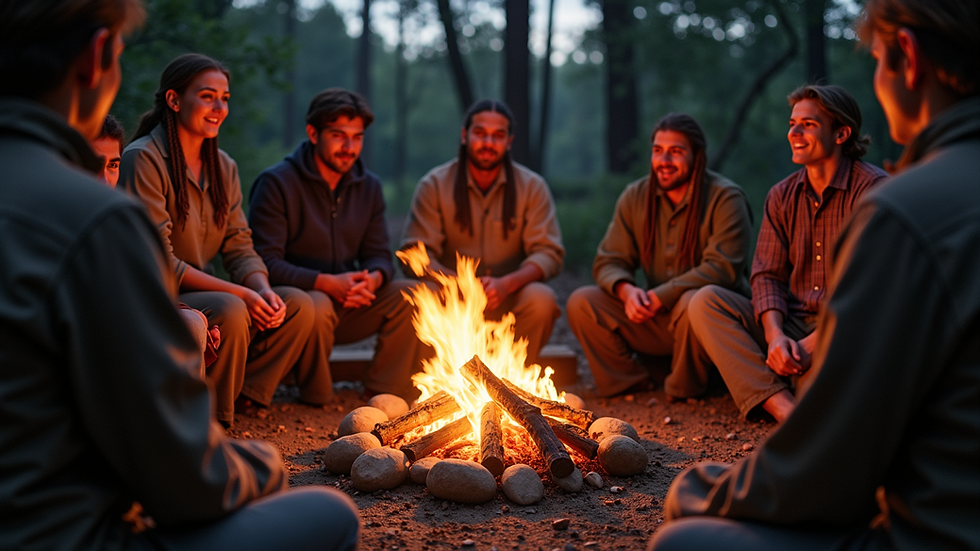
Storytelling among Native Americans was a communal and interactive experience. It often took place around a fire, during ceremonies, or at special gatherings. The storyteller, usually an elder or a respected member of the community, would use voice modulation, gestures, and sometimes music or dance to bring the story to life.
The oral tradition was essential because many tribes did not have a written language. This meant that stories had to be memorized and retold accurately, but also adapted to the audience and context. Storytellers might add personal touches or emphasize different parts depending on the lesson they wanted to convey.
In some tribes, storytelling was a sacred act. The stories were considered gifts from the spirit world, and sharing them required respect and responsibility. For instance, the Hopi people believe that stories connect them to their ancestors and the natural world, so they treat storytelling as a spiritual practice.
The use of symbols and repetition helped listeners remember the stories. Characters often represented natural forces or moral qualities, making the lessons clear and memorable. This method ensured that the stories could be passed down through generations without losing their meaning.
The Role of Storytelling in Teaching and Preserving Culture
Storytelling is a vital educational tool in native communities. It teaches children about their heritage, social values, and the environment. Through stories, young people learn about respect for elders, the importance of community, and how to live in harmony with nature.
For example, many stories emphasize the balance between humans and animals, teaching that every creature has a role in the world. This ecological wisdom is especially relevant today as we face environmental challenges. By listening to these stories, we gain insights into sustainable living and respect for the earth.
Storytelling also preserves history. Before written records, stories were the primary way to remember significant events, migrations, and encounters with other tribes or settlers. These narratives provide a perspective often missing from mainstream history books.
Educators can use native storytelling to enrich their curriculum. Incorporating these stories helps students appreciate cultural diversity and develop empathy. It also encourages critical thinking as students explore the meanings behind the tales and their relevance to modern life.

How You Can Experience and Support Native Storytelling Traditions
If you want to experience native storytelling heritage firsthand, there are several ways to do so respectfully and meaningfully:
Attend Storytelling Events: Many Native American communities host storytelling festivals or cultural events. These gatherings offer a chance to hear stories directly from tribal members and learn about their traditions.
Read Authentic Works: Look for books and collections written or compiled by Native authors. These works provide authentic voices and perspectives, avoiding stereotypes or inaccuracies. Two excellent Cherokee examples are "Myths of the Cherokee" and "Sacred Formulas of the Cherokees" by James Mooney.
Support Native Artists and Storytellers: Purchasing books, artwork, or recordings from Native creators helps sustain their cultural work and promotes wider awareness.
Incorporate Stories in Education: If you are an educator, include native stories in your lessons. Use them to discuss history, ethics, and environmental stewardship.
Respect Cultural Protocols: Always approach native storytelling with respect. Understand that some stories are sacred or meant only for certain audiences. Ask permission when necessary and follow community guidelines.
By engaging with native storytelling heritage in these ways, you contribute to the preservation and celebration of these invaluable traditions.
The Enduring Power of Native Storytelling
Exploring native storytelling heritage reveals a world where stories are more than words - they are living connections to ancestors, nature, and identity. These traditions remind us of the importance of listening, learning, and sharing wisdom across generations.
The native american storytelling tradition continues to inspire writers, artists, and educators. It challenges us to see the world through different eyes and to honor the voices that have shaped history in profound ways.
As you explore these stories, you become part of a larger journey - one that celebrates resilience, creativity, and the enduring human spirit. Whether through reading, listening, or participating, you help keep this heritage alive for future generations.
Thank you for joining me on this journey into native storytelling heritage. May these stories inspire you to discover more and to share the wisdom they hold.


Comments